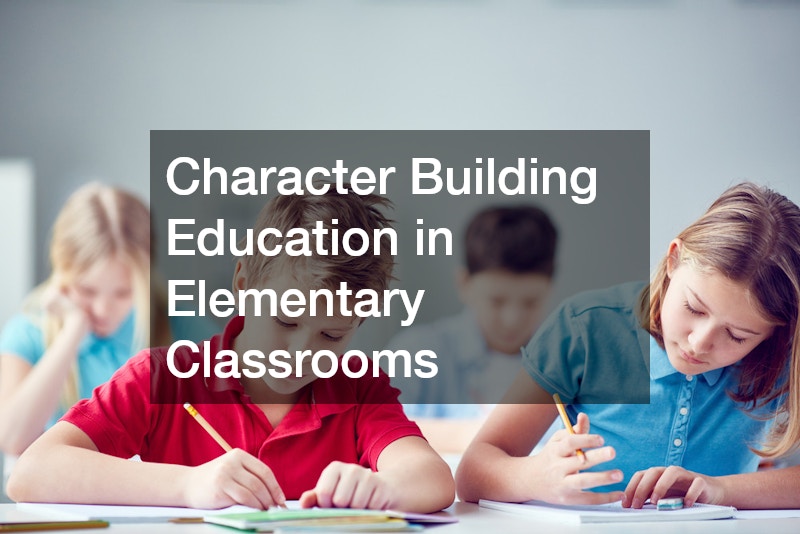

Character building is a fundamental part of early education, shaping how students interact with others and approach challenges both inside and outside the classroom. In elementary settings, these lessons are often woven into daily activities, helping children develop values such as respect, responsibility, and empathy. Many private elementary schools place a strong emphasis on character education alongside academics, creating well-rounded learning environments. By focusing on personal growth early, educators help students build a foundation that supports lifelong success.
Encouraging Respect and Responsibility
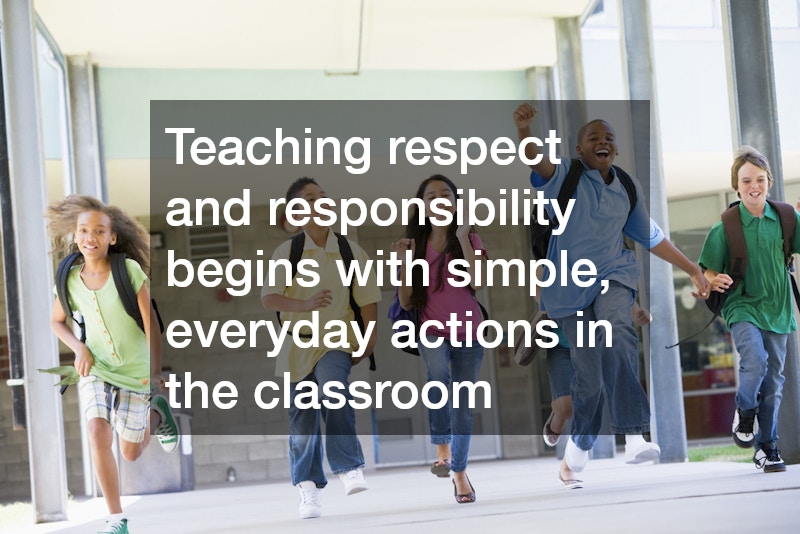
Teaching respect and responsibility begins with simple, everyday actions in the classroom. Students learn to listen to their peers, follow instructions, and take ownership of their work. These lessons help create a positive environment where everyone feels valued and supported. Over time, these habits become part of how students interact with others in all areas of life.
Developing Strong Communication Skills
Effective communication is a key component of character development. In private elementary schools, students are encouraged to express their thoughts clearly and respectfully. Classroom discussions, group activities, and presentations all provide opportunities to practice these skills. As children become more confident communicators, they are better equipped to build relationships and resolve conflicts.
Promoting Empathy and Teamwork
Learning to understand and care about others is an essential part of character building. Students are often engaged in collaborative activities that require teamwork and cooperation. These experiences teach children how to consider different perspectives and work toward shared goals. Developing empathy at a young age helps foster stronger connections and a sense of community.
Building Confidence Through Positive Reinforcement
Confidence grows when students feel supported and recognized for their efforts. Teachers use positive reinforcement to encourage participation and celebrate achievements, both big and small. This approach helps students believe in their abilities and take on new challenges. A confident student is more likely to engage actively in both academic and social situations.
Creating a Supportive Learning Environment
A nurturing environment plays a crucial role in character development. According to Cape Network, 87% of private schools have fewer than 300 students, which allows for more personalized attention and stronger relationships between teachers and students. This close-knit setting helps educators guide character growth more effectively. Students benefit from consistent support that reinforces positive behaviors and values.
Private elementary schools are dedicated to fostering both academic achievement and strong character development in every student. Their approach focuses on creating a supportive and engaging environment where children can grow into confident, compassionate individuals.