
Preschool is a critical period in a child’s life, laying the foundational elements that will support their future educational and personal endeavors. During these formative years, children experience a plethora of developmental milestones that significantly contribute to their overall growth.
It is within this environment that cognitive, social, and motor skills are nurtured, while fostering independence and a love for learning.
The focus of preschool education is not merely academic but encompasses a broadened perspective of equipping children with lifelong skills. Understanding what children learn during their time in preschool can enlighten parents and educators about the vital role this stage plays in developmental progress. Underpinning the philosophies of early childhood education is the belief that these years are foundational for creating well-rounded individuals.
In this article, we delve into the detailed aspects of preschool learning, from academic teachings to the development of social prowess. Each section will explore how various skills are imparted, shedding light on the intricacies of preschool education. Join us as we unpack how preschool sets the stage for a child’s ongoing journey of learning and growth.
1. What Are the Key Academic Skills Taught in Preschool?
In preschool, children begin their academic journey by being introduced to the basics of literacy and numeracy. Literacy encompasses understanding the alphabet, recognizing letters, and starting to form simple words. Numeracy involves recognizing numbers, counting objects, and understanding basic mathematical concepts. These foundational skills are often taught through playful activities that engage children and stimulate their curiosity.
Teachers utilize various tools and methods to make learning engaging and enjoyable. Storytelling, music, and interactive games are common techniques used to teach academic skills in a manner that feels natural to preschoolers. By integrating learning with play, children are less intimidated by new concepts, and their love for learning grows. Ensuring that children feel comfortable and confident when learning new academic skills is crucial during this stage.
Technology can also play a role in preschool education, offering new ways to captivate young minds. Educational apps designed for preschool-age children can reinforce lessons taught in the classroom, providing an interactive platform for practice and exploration. However, the balance between traditional hands-on activities and digital learning experiences is essential, allowing children to benefit from both worlds.
2. How Do Social Skills Develop in Preschool?
Preschool provides an excellent environment for children to learn and practice social skills, which are essential for their future interactions and relationships. Interaction with peers and adults helps children develop communication skills, learn about empathy, and understand the concept of sharing and cooperation. Through play, children learn to negotiate, take turns, and solve conflicts amicably, preparing them for various social situations.
Classroom activities often include group projects and playtime, where children can practice these skills in a supportive setting. Teachers facilitate these interactions, guiding children on how to express themselves appropriately and listen to others. As children gain more experience in social settings, their self-confidence improves, allowing them to form healthy relationships with their peers.
Moreover, preschool exposes children to diverse backgrounds and cultures, broadening their worldview and fostering an appreciation for diversity. These experiences encourage inclusivity and understanding, highlighting the importance of respecting differences. As children navigate the complexities of social dynamics, they learn to adapt and interact effectively with a wide range of individuals.
3. What Motor Skills Are Enhanced During Preschool?
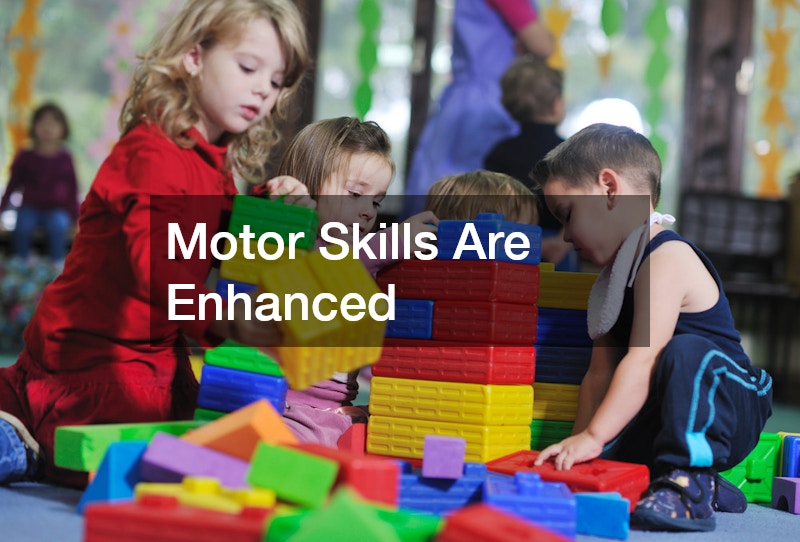
Motor skills development is another critical component of preschool education, encompassing both fine and gross motor skills. Fine motor skills involve the use of small muscle movements, such as those required for writing, cutting with scissors, and buttoning clothes. Activities like drawing, painting, and playing with building blocks enhance these skills, improving dexterity and hand-eye coordination.
Gross motor skills involve larger body movements, essential for balance, coordination, and physical activity. Preschool activities, such as running, jumping, and climbing, are designed to encourage physical activity and improve overall body coordination. Engaging in physical play not only supports motor development but also contributes to a child’s overall physical health and well-being.
The development of motor skills at a young age plays a significant role in a child’s ability to perform daily tasks independently. As children build their strength and coordination, they gain confidence in their physical abilities, which can lead to greater participation in sports and other physical activities. By promoting active play, preschools contribute to fostering a lifelong love of physical activity and leading healthy lifestyles.
4. How Is Independence Encouraged in Preschool?
One of the primary goals of preschool education is to promote independence among young learners. Children are given age-appropriate tasks and responsibilities that encourage self-reliance, such as tidying up after activities, dressing themselves, and making simple choices. These tasks help children develop a sense of achievement and build self-esteem as they gain confidence in their abilities.
Teachers play a crucial role in fostering independence by providing guidance and support while allowing children the freedom to make choices. Encouraging autonomy in decision-making helps children learn the consequences of their actions, fostering critical thinking and problem-solving skills. As children learn to navigate their daily routines with minimal assistance, they become more resourceful and self-sufficient.
Additionally, preschool environments are structured to provide children with opportunities to explore and engage independently at their own pace. This freedom cultivates a natural curiosity and encourages children to take initiative. Fostering independence in preschool not only prepares children for kindergarten but also sets the groundwork for lifelong confidence and self-discipline.
5. What Are the Cognitive Skills Emphasized in Preschool?
Cognitive skill development is a fundamental aspect of preschool education, focusing on enhancing a child’s thinking, problem-solving, and decision-making abilities. Activities are designed to stimulate curiosity and creativity, encouraging children to ask questions, explore, and discover. Preschool teachers introduce activities that promote logical thinking and reasoning, such as puzzles, sorting games, and simple experiments.
Language development is another critical element of cognitive growth during preschool. Children are exposed to a rich language environment through storytelling, singing, and open-ended discussions. This exposure improves vocabulary, comprehension, and communication skills, preparing children for more complex language structures in later years.
Furthermore, preschool encourages imaginative play, which significantly contributes to cognitive development. Role-playing and creative dramatics allow children to explore different scenarios, enhancing their ability to think abstractly and understand various perspectives. These cognitive skills are integral to a child’s academic success and play a pivotal role in shaping their intellectual development as they grow.
In summary, preschool education provides a comprehensive learning experience that extends beyond academics, preparing children for lifelong learning and personal growth. By focusing on developing academic, social, motor, independent, and cognitive skills, preschools lay a strong foundation for future success. Each skill acquired during the preschool years contributes to the holistic development of a child, emphasizing the importance of this early educational stage.
The early experiences and milestones achieved in preschool shape a child’s approach to learning, influencing their attitudes and behaviors as they progress through their educational journey. By providing a nurturing and supportive environment, preschools play a crucial role in fostering a love for learning and teaching essential life skills. The emphasis on development in preschool signifies its enduring impact on early childhood education and underscores its value in fostering well-rounded individuals.
Preschool is truly a stepping stone for children, setting the stage for future academic endeavors and personal achievements. The skills and experiences gained during this time are integral components of a child’s growth and development. Understanding the vital role of preschool can help parents and educators support young learners in maximizing their potential and embarking on a path of lifelong learning and success.

It wasn’t too long ago that preschool was considered an unnecessary step in a child’s education. The truth is, enrolling your child in the best preschool is a significant way to develop their small minds while ensuring long term educational success.
Generally, preschool is an early childhood educational class for three and four year olds. Children can go to a full day preschool, year round preschool, or follow a part time schedule such as a couple hours a day, a few times a week. You will want to look for a program that includes different fun activities; dancing, singing, arts and crafts, storytelling, indoor and outdoor play are all designed to teach children different skills and how to interact with their peers. Private preschools are able to use key development indicators in order to keep track of your child’s social and emotional development through these activities as well.
The best preschool will improve your child’s motor skills, they will become masters in balancing on one foot, jumping in place, and running and kicking a ball. Preschoolers will learn how to recognize numerals 0 through 9, all 26 upper case letters of the alphabet and will learn or continue to learn the names of basic shapes, colors and body parts. Every day they will be surrounded by numbers and math, and counting will soon come easy to them.
Choosing a private preschool can provide many short term benefits to both you and your child. One of the main advantages is that private schools tend to be much smaller, which nurtures a sense of belonging within your child and allows children to receive more of an individualized attention compared to what is offered in a public school. Private schools also encourage and thrive on parent participation, which can give you insight of your child’s daily enviroment. A parent’s commitment to the preschool is especially vital so they can have a direct say in their child’s education.
Attending a preschool at a young age is proven to benefit the child once they become adults. Students who attend private schools, including preschools, have a higher rate of graduation and acceptance into universities. Additionally, adults who had gone to preschool were more likely to complete a higher degree of education and go to college than those who had not gone to preschool.
With these facts in mind, choosing the best preschool for your child guide them to immeasurable success in the future.